
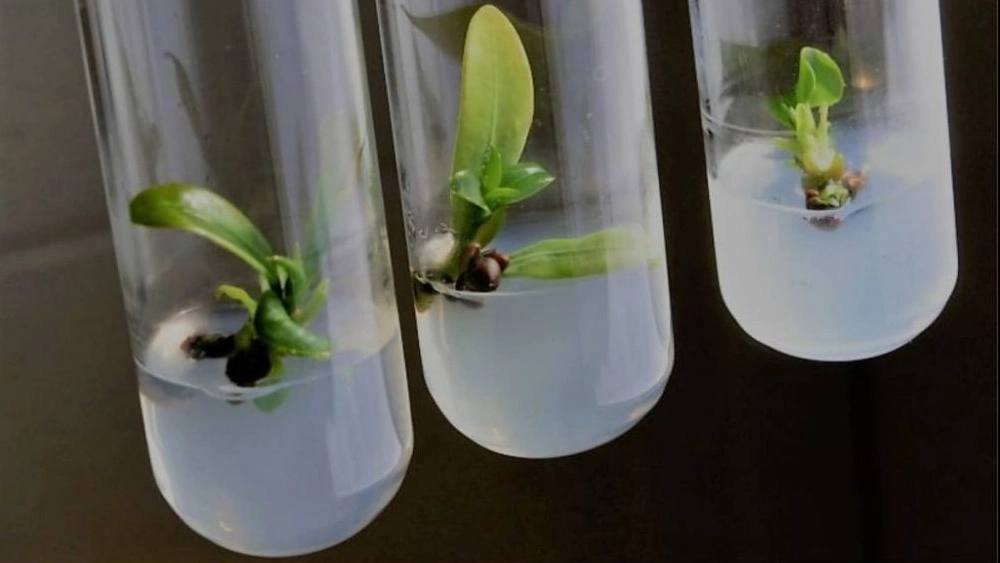
Laboratory
Tissue culture technique has been used as an effective tool in micropropagation, multiplication, modification and The production of plants under controlled conditions in vitro is used in research centers around the world. In fact, plant tissue culture cannot be considered a separate branch of sciences such as genetics, physiology, horticulture, etc., but tissue culture is a suitable tool in the service of other sciences and helps them achieve their desired goals. In the field of medicinal plants, in addition to its use in micro-propagation, propagation, production and protection of valuable medicinal plants and in danger of extinction, during the last two decades, it is also considered as an effective tool for the production of secondary metabolites under controlled conditions. This laboratory tries to study the biosynthetic pathways of secondary metabolites in medicinal plants, gene transfer and involvement in the biosynthesis of these compounds, optimizing their production in controlled cultures of cell suspension and capillary roots up to the semi-industrial stage. /span>
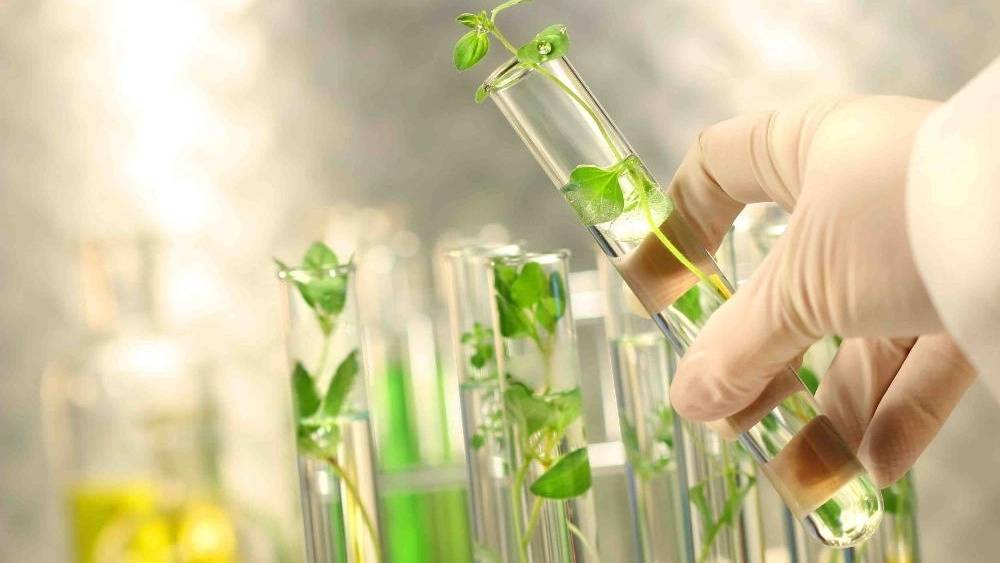
Laboratory mission
Tissue culture and micropropagation of medicinal plants with emphasis on exclusive and endangered species Micropropagation and propagation of homogeneous cultivars of medicinal plants in order to maintain high-yield cultivars Callus induction and optimization of cell suspension cultures of medicinal plants for the production of secondary metabolites Induction of capillary roots in medicinal plants using Agrobacterium and optimization of secondary metabolites production in in vitro culture conditions Transferring effective genes in the path of biosynthesis of natural compounds and studying their expression in organs or transgenic medicinal plants (metabolic engineering) Optimizing the production of valuable secondary metabolites in semi-industrial conditions using bioreactors Cultivation of plant organs and preparation of virus-free plants (meristem cultivation) Preparation of appropriate protocols for propagation of medicinal and aromatic plants through tissue culture techniques Cultivation of pollen grains and stamens and the use of other methods in order to produce haploid and double haploid medicinal plants in order to achieve their breeding goals. Investigating the phenomenon of somaclonal diversity and using it to create desirable varieties Induction of polyploidy and evaluation of the effect of different ploidy levels on the production of secondary metabolites
Reasons for equipping the plant tissue cultivation laboratory
In the management field, try to become an index and play a central role in the production of special products
Careful consideration in gathering laboratory facilities and the need to maintain specialized laboratories and use them
Creating dedicated incomes according to the existing potentials of growing new and income-generating plants in Visayas through plant and garden products
In the field of planning and support to increase dedicated incomes through the production of flowers and ornamental and medicinal plants
In the research field of seedling production, transplanting and being prioritized in this field with the system of registration research institute and seed and seedling certification
In the field of education and promotion, the focus of activity is on the development of second crops and plants that replace rice, such as fodder mustard, medicinal plants, etc
Plant
Cultivation of calluses
Cell suspension culture
Protoplast culture
Haploid cultivation
Regeneration and micro-propagation
Key steps in tissue cultivation
The four key steps in tissue culture include the following:
Identifying and isolating the desired gene or genes from the original organism;
Insertion of the isolated gene in the plasmid and its multiplication in bacteria (identification)
introducing the cloned gene into the desired cells;
Selection and cultivation of transgenic cells
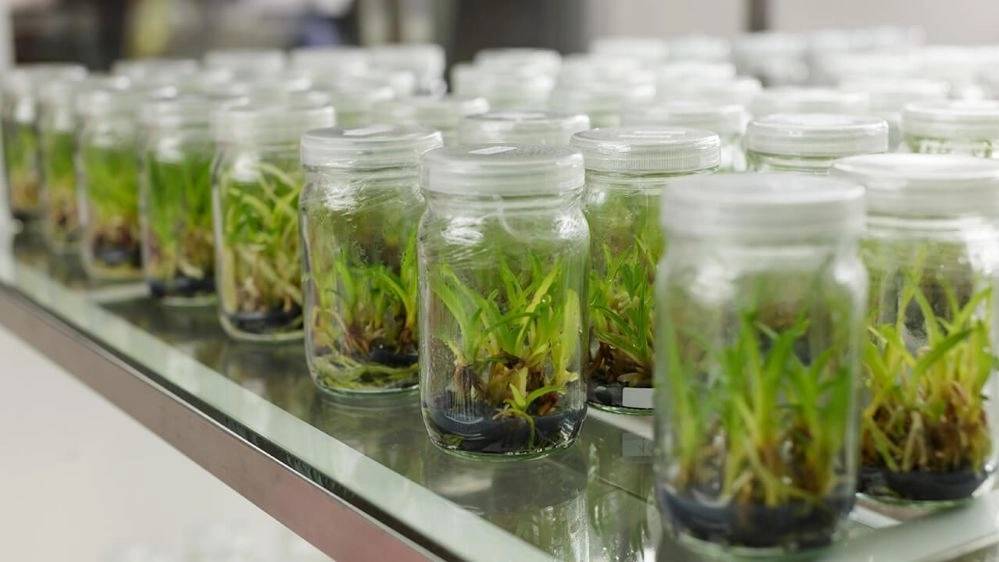
Overall vision
When we talk about growing plants, it usually means growing plants in pots, under plastic (Frames), in a greenhouse or in a field. In the common divisions in agriculture, plant cultivation is divided into different sectors including agriculture, horticulture, tropical agriculture, forestry and plant breeding. In 1904, Hanig presented a new method of plant cultivation called embryo culture. He isolated the immature embryos of a large number of cruciferous plants (cruci Ferae) in vitro culture and obtained living seedlings from them. Since 1920, various methods of tissue culture, such as laboratory culture of orchid seeds, callus culture, and organ culture have become common. After 1945, plant tissue culture was applied to all the different methods of cultivation in the laboratory.
Landscape
Lab capabilities
Preparation of tissue culture medium, undifferentiated tissue production (callus), regeneration and seedling production, cell suspension culture, hairy root culture, extracting samples from tissue culture and natural samples, seed priming, seed culture and seed germination investigation and Factors related to the growth of seedlings
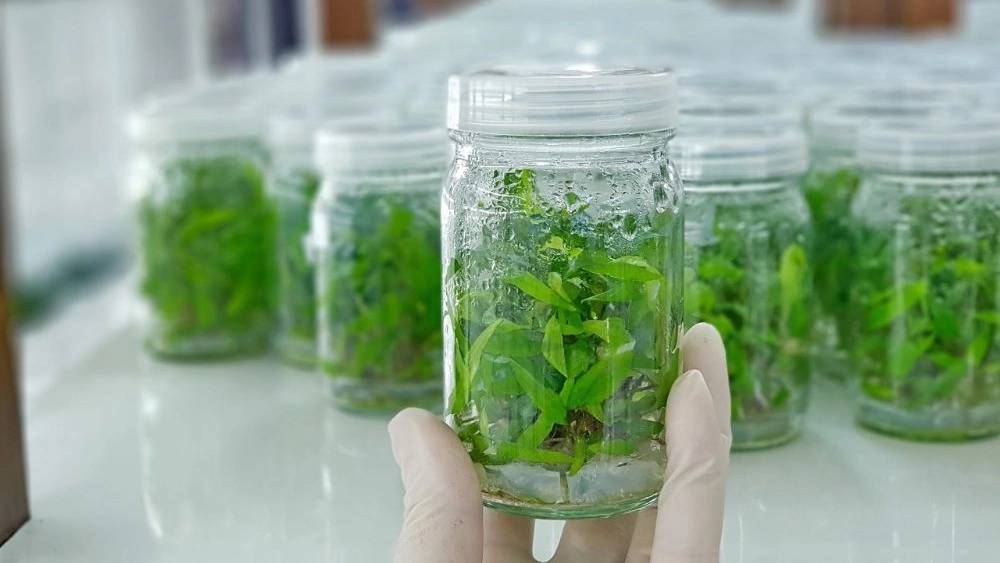
Equipment available in the laboratory
Growth room with light, temperature and humidity control, horizontal and vertical autoclaves, carbon dioxide incubator, magnetic stirrer, thermal magnetic stirrer, horizontal incubator shaker, vertical incubator shaker, class II microbiology hood, refrigerator, negative 20 freezer, freezer negative 80, pH meter, precision scale, sampler, pipette and micropipette, culture medium distributor, microscope, metal and glass laboratory equipment
Experiments
Preparation of different nutrient solutions for growth and physiological study of horticultural plants in hydroponic, DFT, aquaponic and aeroponic cultivation systems. Extraction of plant tissues to measure nutritional elements, chlorophyll, sugars, phenol, proline and activity of various enzymes. Tissue culture and investigating the effects of plant hormones on microtuber production Tissue culture and micropropagation of plants with emphasis on exclusive and endangered species Callus induction and optimization of plant cell suspension cultures Cultivation of plant organs and preparation of virus-free plants (meristem culture) Preparation of appropriate protocols for plant propagation through tissue culture techniques Cultivation of pollen grains and stamens and the use of other methods in order to produce haploid and double haploid medicinal plants Investigating the phenomenon of somaclonal diversity and using it to create desirable varieties